
Mahjong Pocket: Calm Match
PlayMintBoard
4.324.00 Reviews
- Version
- 1.0.15
- Installs
- 50.00K
- Age Rating
- Everyone
Screenshots
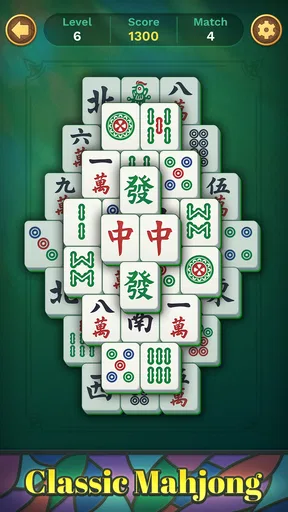
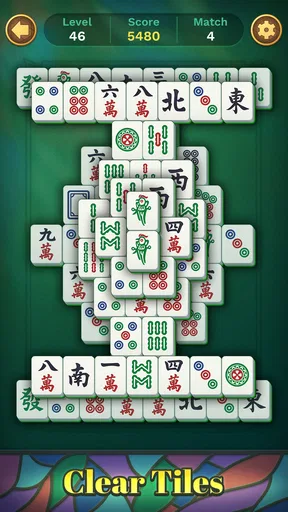
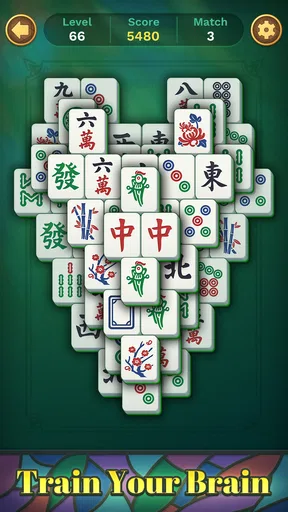
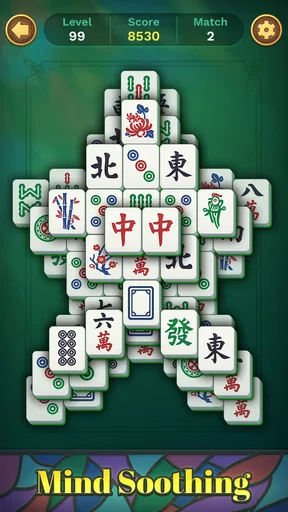
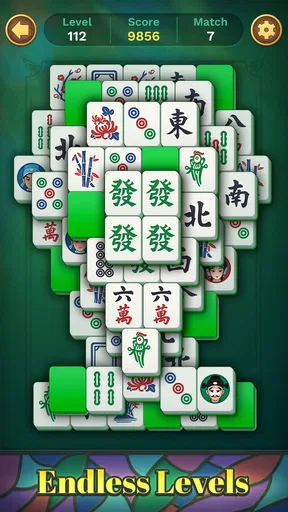
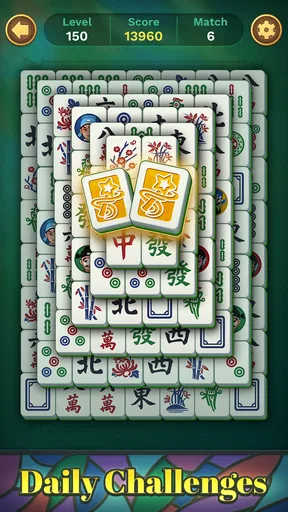
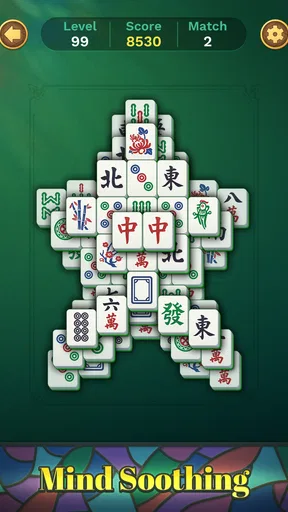
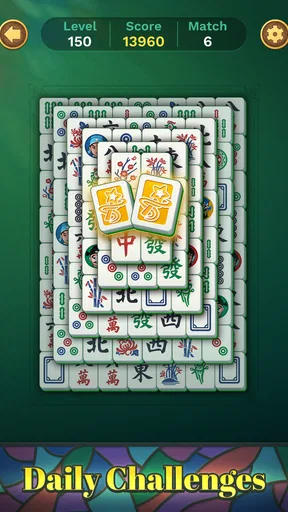
Our Review of Mahjong Pocket: Calm Match
 Analysis by Appyee
I spent time with Mahjong Pocket: Calm Match as a quiet, pick-up-and-play board game, and its appeal became clear within a few sessions: it keeps Mahjong focused on matching tiles without surrounding the experience with unnecessary noise. The presentation feels aimed at people who want a relaxing puzzle during a short break, rather than players searching for a competitive online game or a deep strategy campaign.
That simple focus is important. Many Mahjong apps try to add missions, currencies, social systems, timers, or a large collection of modes. PlayMint’s game takes a more restrained route. I found it easiest to enjoy when I treated each board as a small mental reset: open the game, scan the layout, make a few careful matches, and stop whenever I felt finished. It is free, rated for Everyone, and works on devices running Android 7.0 or later, so it is accessible to a broad range of players.
How Mahjong Pocket feels in everyday use
The central experience is familiar Mahjong tile matching, but the way it is presented makes a difference. The tiles are large enough to make the board comfortable to read, which matters more than it may sound. On a smaller phone, tiny symbols can turn a relaxing puzzle into an exercise in squinting and accidental taps. Here, the generous tile treatment supports the game’s calm identity and makes it easier to play one-handed when I am sitting on a bus or waiting for an appointment.
I also appreciated that the game is designed for offline play. That makes it more practical than a board game that depends on a constant connection. I can use it in places where reception is unreliable, and I do not have to turn a few minutes of downtime into a decision about whether the game will load properly. For anyone who wants a dependable travel companion, that is one of the most meaningful parts of the package.
A realistic use case is a short evening pause after finishing household tasks. I can play a board without committing to a long session, put the phone down, and return later when I want another puzzle. The game suits that rhythm better than a multiplayer alternative, where another person’s schedule determines how long I stay involved.
The relaxed atmosphere also changes how I approach the board. I am less likely to rush a match simply because a countdown or opponent is pushing me forward. Instead, I look for pairs that open useful paths and try to avoid removing tiles without considering what they reveal. That makes the game suitable for players who enjoy visual organization and light planning, even if they do not normally think of themselves as puzzle players.
Readable boards make a bigger difference than expected
Large tiles are not merely a cosmetic choice. In Mahjong, recognition is part of the challenge, so the interface should make symbols easy to distinguish without removing the need to think. I found that the bigger presentation helps me spend my attention on the order of moves rather than on identifying whether two pieces actually match.
There is a useful habit here: before tapping anything, I scan the exposed edges and the upper layers of the board. Removing a pair that looks attractive can sometimes leave fewer useful options, while a less obvious match may uncover several tiles. The game does not need to explain this at length; the board itself encourages a more deliberate style once I stop treating every visible pair as equally valuable.
This is also where the app differs from very fast casual puzzle games. It does not feel built around constant stimulation. If you prefer rapid reactions, animated rewards, or a steady stream of new objectives, the quiet pacing may seem too limited. For me, that restraint is a strength during tired moments, but it is not universally entertaining.
Offline access changes when the game is useful
Offline play gives Mahjong Pocket a practical role beyond ordinary home gaming. I would choose it for a flight, a train ride with patchy coverage, or a waiting room where I want something more engaging than scrolling. It is also a reasonable option for someone who keeps an older phone or has a limited mobile plan, since the game does not need to be treated like a connected service every time it is opened.
The trade-off is that an offline-first experience is naturally less suited to people who want live competition or shared progress with friends. If your ideal Mahjong app is a social table with opponents, chat, or online events, this is probably the wrong direction. Mahjong Pocket works best when the player wants control over the pace and does not need another person to make the session worthwhile.
I would also recommend checking the first session in the exact environment where you plan to use it. A game can be technically offline-friendly while still feeling different on a small display, an older handset, or a device with aggressive battery-saving settings. The large tiles help, but personal comfort still depends on screen size and eyesight.
What the current release tells us
The current version is 1.0.15, while the game was released on March 8, 2026. That places it in an early stage of its product life, and I think that is the right lens through which to judge it. The foundation is easy to understand: a free board game from PlayMint that prioritizes clear tile matching, a cozy mood, and play without a connection.
Its early position brings both promise and caution. On one hand, the focused design avoids the clutter that can make a new game feel unfinished in the wrong way. On the other, players who expect a mature ecosystem of modes and long-term progression may find the experience narrower than established Mahjong alternatives. I would not install it expecting a complete digital recreation of every Mahjong tradition; I would install it for a clean, approachable matching game.
The release information also makes version awareness worthwhile. When an app is still early in its lifecycle, future updates can have a noticeable effect on how it feels, even if the core rules remain unchanged. Improvements to board variety, accessibility, or session flow would matter more here than flashy additions. I would pay attention to whether PlayMint continues refining the fundamentals instead of simply adding distractions.
There are already signs of audience interest: the game has passed 50K installs and holds a 4.3 average from around 202 ratings, with 24 written reviews. Those numbers suggest that the concept is reaching real players, but they should be read as an early snapshot rather than proof that it will satisfy every Mahjong fan. A smaller review base can reveal useful impressions, yet it does not replace trying the game on your own device.
How the release affects returning players
For someone who installed an earlier build, the most important question is not the version number by itself but whether the everyday loop remains comfortable. The current release preserves the identity that makes the game attractive: readable tiles, a low-pressure board format, and the convenience of offline sessions. If those are the reasons you originally downloaded it, the present build should still feel familiar rather than like a completely different product.
Returning players should approach an update with a practical checklist. Open a board when you have a few uninterrupted minutes, test whether the tile symbols remain easy to read, and try the game in offline mode before relying on it for travel. Then notice whether the pace still fits your preferred session length. These checks tell you more about the game’s real usefulness than simply seeing a newer version label.
I also think existing users should avoid judging the game solely by how much content it has accumulated. A calm board title can become less pleasant if every update adds pressure, clutter, or systems that compete with the puzzle. For this particular app, preserving clarity is part of preserving its value. A returning player may reasonably prefer a modest improvement to the board experience over a large feature that changes the tone.
At the same time, early adopters should keep their expectations realistic. The game’s appeal comes from its compact purpose, so it is better viewed as a reliable casual tool than as a primary gaming hobby. If you already play a feature-rich Mahjong title and want deep progression, the current release may work alongside it rather than replace it.
Small techniques that improve a session
My first useful technique is to delay the obvious match when it is not strategically urgent. I look for pairs that are blocking several tiles and compare them with pairs sitting at the edges. This prevents the common mistake of clearing whatever is easiest while leaving the board with fewer meaningful choices. The game’s large tiles make this comparison comfortable because I can scan the arrangement without rushing.
My second technique is to use short sessions deliberately. Instead of trying to complete every board in one sitting, I treat the game as a five-minute reset. That approach works especially well offline, because I can open it during a gap in the day without needing to plan a full gaming session. It also keeps the calm presentation from becoming repetitive too quickly.
My third technique is to play for observation rather than speed. Before the first tap, I identify which layers appear to control access to the rest of the layout. This turns a basic matching activity into a gentle planning exercise. It is a good fit for people who want their casual games to engage attention without demanding the intensity of a timed puzzle.
Finally, I would use the game as a low-pressure alternative when I am tempted to fill every spare moment with social feeds. The offline format and simple board structure make it easier to stop naturally. That does not mean every session will feel fresh forever, but it gives the app a clear everyday purpose that many more elaborate games lose.
Where it still falls short
The main limitation is scope. Mahjong Pocket is appealing because it stays focused, but that same focus can feel thin if you want a broad catalogue of activities. Players who need tournaments, online opponents, detailed statistics, extensive customization, or a strong progression system should compare it with more established alternatives before making it their main Mahjong app.
There is also a difference between “calm” and “deep.” The game encourages careful matching, but it should not be mistaken for a complex strategy title. Its challenge comes from recognizing opportunities and choosing a sensible order, not from a large rule set or a competitive meta-game. That makes it friendly for beginners and casual players, while experienced Mahjong enthusiasts may want more variety or a more demanding interpretation of the genre.
The free price lowers the barrier to trying it, which I see as a genuine advantage. Still, free does not automatically mean it will suit every player’s preferences. Someone who dislikes simple repeatable loops may reach the limits of the experience sooner than someone who enjoys a familiar puzzle they can revisit. The right question is not whether it contains everything, but whether its narrow purpose matches the way you want to play.
The Everyone age rating makes it suitable for a broad audience, including families looking for a gentle board game format. I would still choose another option for children who need a more guided learning experience or for groups wanting shared play, because the strength here is independent matching rather than teaching or social interaction.
Device compatibility is also worth considering. Android 7.0 support includes many older devices, which is helpful, but a supported operating system does not guarantee that every screen will provide the same comfort. If your phone has a very small display, I would test the tile readability early and avoid assuming that a larger visual design solves every accessibility concern.
What I would watch in future development
Because the game is still early in its release history, I would watch for updates that improve replay value without disturbing the quiet character. More thoughtfully varied boards would be useful, especially if they encourage different opening decisions rather than merely changing the arrangement. Better support for players who need clearer visual distinctions would also strengthen the game’s accessibility.
I would be less interested in additions that introduce pressure for its own sake. Timers, competitive rankings, or layers of reward management could make the game busier, but they would not necessarily make it better. The strongest future direction would be to deepen the existing matching experience while keeping it easy to start and easy to leave.
For current users, the practical thing to watch is whether version updates maintain the app’s dependable offline role. If you rely on it for travel or quiet breaks, consistency matters more than a long list of new features. I would also look for signs that PlayMint is responding to the needs of people using older Android devices, since broad compatibility is part of the game’s appeal.
For new users, I recommend treating the first few sessions as a fit test rather than a commitment. Play without a connection, try the board on your usual brightness setting, and notice whether the calm pace helps you focus or leaves you wanting more action. Those simple checks will quickly reveal whether this is the right Mahjong style for you.
My recommendation
I recommend Mahjong Pocket to anyone who wants a straightforward offline board game with large, readable tiles and a relaxed rhythm. It is particularly good for short breaks, travel, older Android phones, and players who prefer a quiet puzzle over a competitive service. The free entry point makes trying it easy, and the Everyone rating keeps its audience broad.
I would skip it if your priority is online competition, social play, extensive progression, or a large collection of advanced Mahjong formats. In those cases, a more feature-heavy alternative will likely serve you better. This game is not trying to be an all-purpose Mahjong platform, and judging it by that standard would miss its actual strength.
After using it, my view is pleasantly balanced: PlayMint has made a focused casual game whose best qualities are comfort, clarity, and independence from an internet connection. Its current version feels most successful when used as a small daily ritual rather than a long-term competitive pursuit. If you want Mahjong that stays out of the way and lets the board provide the entertainment, this is an easy one to try.
With its early audience already reaching over 50K installs and its current 4.3 average, it has a solid starting point. I would keep watching how the developer evolves the game, especially whether future work adds meaningful variety while protecting the simple experience that makes it useful today.
Verdict
Strengths of Mahjong Pocket: Calm Match
- Relaxing gameplay suitable for short breaks
- Simple controls make it easy for beginners to start
- Large tile designs improve readability on small screens
- Offline play is convenient when traveling or without Wi‑Fi
- Gradual challenge keeps casual sessions engaging
Limitations of Mahjong Pocket: Calm Match
- Ads may interrupt the experience between rounds
- Some levels can feel repetitive after extended play
- Limited social features reduce interaction with other players
- Hints or extra moves may be restricted by in-game limits
- Older devices may experience slower loading or performance
Other Releases by PlayMint
View All
Solitaire Pocket: Quick Play
Board4.5
Similar Picks in This Category
View All
Ludo King®
Gametion4.1

Ludo
Yarsa Games4.6

Tile Master® - Matching Game
Higgs Studio3.6

Checkers Online
CC Games4.6

Dominoes
Loop Games4.7

Chess
Chess Prince4.6
Frequently Asked Questions
What is Mahjong Pocket: Calm Match?
Mahjong Pocket: Calm Match is a relaxing tile-matching puzzle game built around the traditional mahjong solitaire format. You clear the board by pairing identical, available tiles while working through different layouts. Its calm presentation, simple controls, and short levels make it suitable for casual play, whether you want a quiet break, a daily puzzle, or a longer session progressing through multiple challenges.
How do you play Mahjong Pocket: Calm Match?
The main objective is to remove every tile from the board by matching two identical tiles. A tile can generally be selected when it is not covered and has an open side, although the exact rules may depend on the layout or special tile type. Careful planning is important because removing pairs in the wrong order can leave you without useful moves.
Does Mahjong Pocket: Calm Match work offline?
The core solitaire-style gameplay may be suitable for playing without a constant internet connection, which is convenient for travel or areas with limited service. However, features such as advertisements, cloud progress, updates, events, leaderboards, or in-app purchases may require connectivity. It is best to launch the game online at least once and check its current store information.
Is Mahjong Pocket: Calm Match free to download?
Mahjong Pocket: Calm Match can typically be downloaded at no initial cost, but the free version may include advertising, optional purchases, or other limitations. Depending on the current release, players may be offered hints, boosters, extra content, or ad-removal options. Review the download page carefully so you understand which features are free and which may involve payment.
Is Mahjong Pocket: Calm Match suitable for beginners and all ages?
Yes, the straightforward matching system makes Mahjong Pocket: Calm Match approachable for beginners, including players who have never played mahjong solitaire before. The game is generally more about observation, memory, and planning than fast reactions. Nevertheless, some layouts can become challenging, and younger players should use the app with appropriate supervision if it includes advertisements or optional purchases.
Play our best games!


